1
Interpret opponent as villain
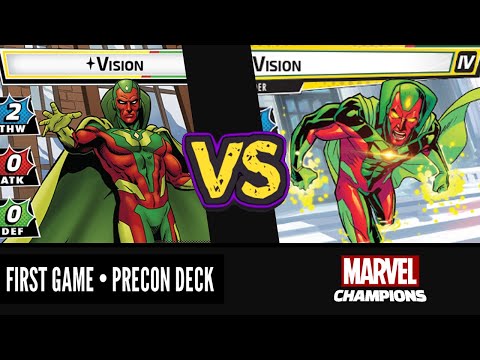
Treat your opponent's hero as the villain with a stage number counted as 2
2
Interpret allies as minions
Treat your opponent's allies as minions you are engaged with
3
Interpret side schemes
Treat your opponent's player side schemes as regular side schemes
4
Attack targets
Direct attacks at the opponent's hero or their allies, following restrictions as if their hero were the villain
5
Defend against attacks
Treat incoming attacks as villain attacks (from hero) or minion attacks (from allies) with normal defense options
6
Respect alter ego restrictions
If opponent is in alter ego form, you cannot attack their identity and cannot make basic attacks against their allies
7
Thwart the conflict scheme
When removing threat from main scheme, move threat from opponent's side to your own side
8
Add threat to opponent's schemes
When removing threat from an opponent's side scheme, add threat to that scheme instead
9
Handle forced activations
When your card causes the villain or minion to activate, they make a basic attack or thwart without exhausting
10
Process deck cycling
When you empty your draw deck and reshuffle, your opponent immediately draws a card
11
Use boost icons
Cards in opponent's deck count as having boost icons equal to their cost with no boost effect
12
Interpret card types
Opponent's ally cards count as minion cards, events as treacheries, side schemes as side schemes, upgrades/supports as attachments
13
Handle encounter card effects
Effects that would deal encounter cards instead allow opponent to draw cards
14
Manage defeated state (multiplayer)
If reduced to zero health, discard all non-permanent allies/upgrades/supports, cannot play new ones, cannot heal, hand size reduced by one